Scan it once. Archive it, repair it, or cast it again.
Some pieces can't be re-made from photographs and memory. We scan the object, on site or dropped off with us, and keep a permanent archive record. From that record we repair it, or cast a replica.
Where this work has gone
Bronze: A Forgotten Treasure
For CNA's investigation into a lost collection of Chinese bronzes, the operator behind our scans realigned a full digital mesh from hundreds of individual captures.
A wedding dowry, kept in 3D
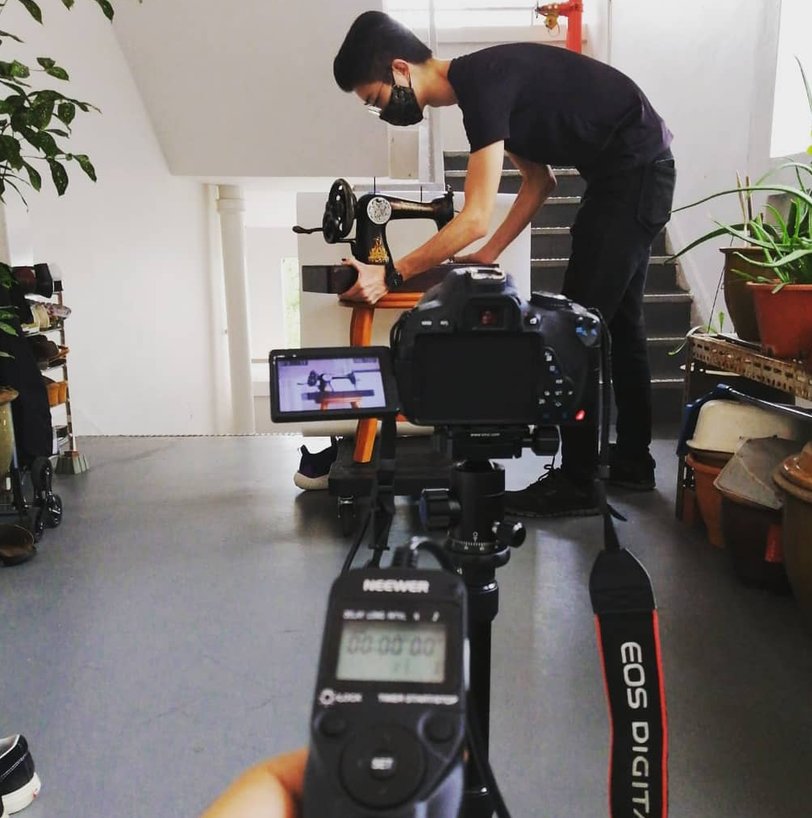
Madam See's “Butterfly” sewing machine, hers for over fifty years. Captured for the Whampoa Archives, a public heritage archive by NUS and NTU with National Heritage Board support, where our digital scanning is credited. Drag to turn it.
What you get
One job, one deliverable: an archive record of the piece, plus the repair or the replica made from it. The files are part of that job. They also prove the condition a piece was in before anyone touched it.
It sits inside our restoration work too: we record a piece before anything is touched, then repair it, or cast a replica when the original can't be saved.
How we record it
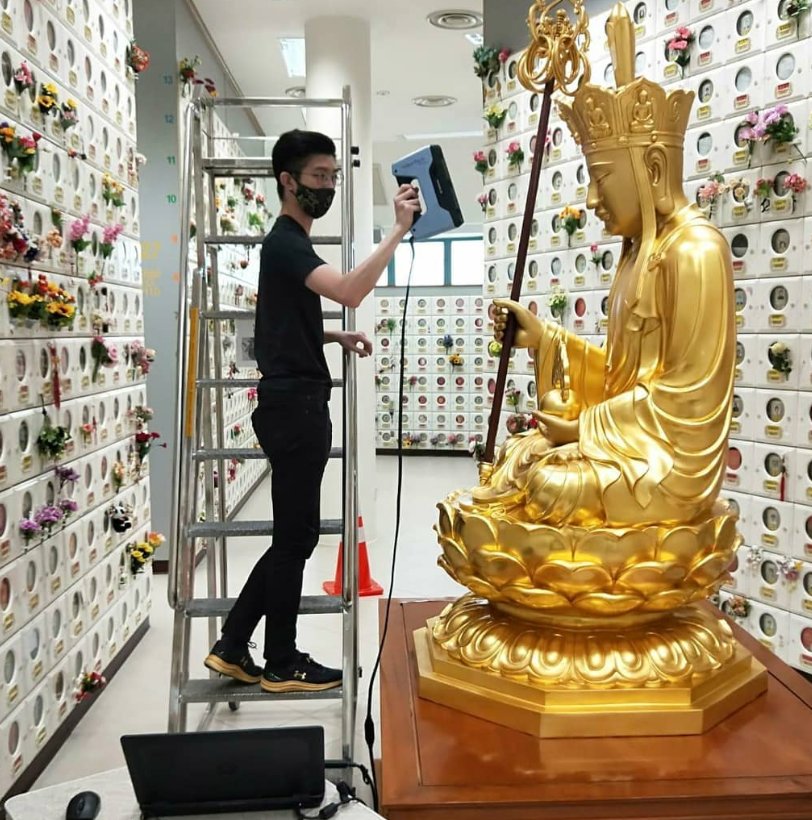
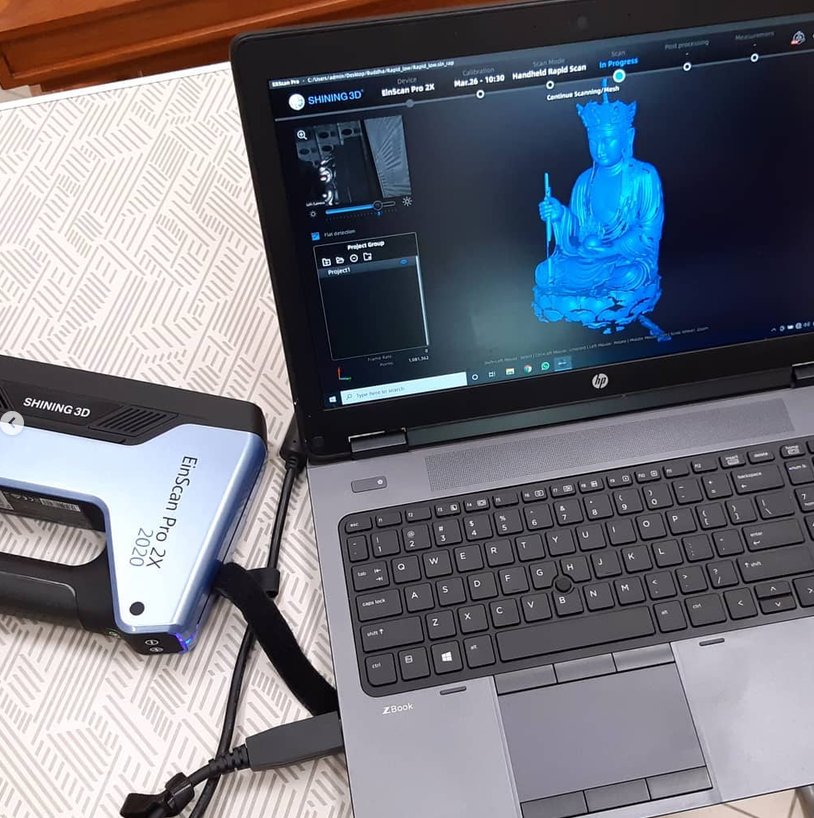
Handheld structured-light scanning for form and geometry, with the mesh assembling live on screen as the operator works. Photogrammetry where colour and surface detail matter as much as shape.
Large or fixed pieces are scanned where they stand, in a single visit, without being moved. What goes into the archive record is a watertight mesh, ready to repair from or cast again.
How it works
-
Tell us the object. What it is, roughly how big, and where it lives. Photos are enough to scope it.
-
We scan it, on site or dropped off with us. Fixed and fragile pieces are recorded where they stand. Smaller pieces are dropped off with us.
-
You get the record, and the piece. The archive record, plus the repaired piece or the replica cast from it. A backup copy is kept on our end.
A record is cheaper than a rebuild.
Scanning costs a fraction of re-modelling an object from scratch, and it only has to be done once. The piece that gets scanned today is the piece you can still reproduce in ten years.
Restoration from the same record: sculpture and prop restoration.